
Key Takeaways
- Guilt about this decision stems from promises, fears of abandonment, and social expectations
- Recognizing safety concerns and daily living challenges helps you make informed choices
- Personal care communities offer professional support, social connections, and specialized services
- Reframing this choice as an act of love can bring peace to your decision
The Complex Emotions Behind Your Decision
You stare at your parent’s pill organizer, noticing missed doses again this week. The laundry has piled up, and you found the stove left on yesterday. The guilt you feel about considering personal care for your loved one is natural, but it doesn’t mean you’re making the wrong choice. These emotions can be difficult, and you aren’t alone.
For many adult children, the hardest part is realizing that love and support may no longer be enough to safely manage every need at home. It’s common to worry about taking away independence or making the wrong choice altogether. In reality, personal care often becomes a way to protect your loved one’s safety, dignity, and overall quality of life while giving them the comfort and love they deserve.
Signs Your Loved One Needs More Care
Recognizing when additional support is needed is rarely tied to one dramatic moment. More often, small changes begin adding up over time. These patterns all indicate that your loved one needs more care than they’re currently receiving.
Difficulty Managing Daily Tasks
Everyday responsibilities can become overwhelming as needs change. You may notice unopened mail piling up, forgotten appointments, or difficulty preparing meals consistently. Laundry, dishes, and housekeeping may also become harder to keep up with, even for someone who once managed their home independently.
Safety Concerns at Home
Safety concerns are often one of the clearest indicators that more care may be needed. Falls, trouble navigating stairs, or leaving appliances running can place your loved one at serious risk. Even near-misses deserve attention, especially when mobility or memory concerns are becoming more noticeable.
Changes in Physical Health and Hygiene
Physical changes sometimes appear slowly, making them easy to overlook at first. Weight loss, wearing the same clothes repeatedly, or skipping bathing routines may suggest your loved one is struggling to manage personal care independently. These situations are often less about unwillingness and more about needing additional assistance.
Isolation and Withdrawal
Social isolation can have a major impact on emotional and physical health. A loved one who once enjoyed hobbies, outings, or conversations may begin withdrawing from activities and spending more time alone. Loneliness can increase stress, affect mood, and reduce overall engagement with daily life, and that can lead to serious long-term problems.
How Personal Care Communities Support Your Loved One
Personal care communities are designed to provide support while still encouraging independence wherever possible. Rather than replacing family involvement, they help create a reliable foundation of daily assistance, safety, and social connection. That added support can bring reassurance to both residents and their loved ones.
24-Hour Support and Daily Assistance
Personal care communities provide around-the-clock support for residents who need help managing daily routines. Assistance with dressing, bathing, mobility, medication reminders, and other activities of daily living is available when needed. Having trained professionals nearby can help prevent emergencies while making everyday life feel more manageable.
Safer Living Environments
A safer environment can reduce many of the risks older adults face while living alone. Features like accessible layouts, emergency response systems, and mobility-friendly spaces help residents move through their day more comfortably. Communities are also designed to support changing physical needs without making residents feel restricted, and that balance is invaluable for older adults.
Social Opportunities and Community Connection
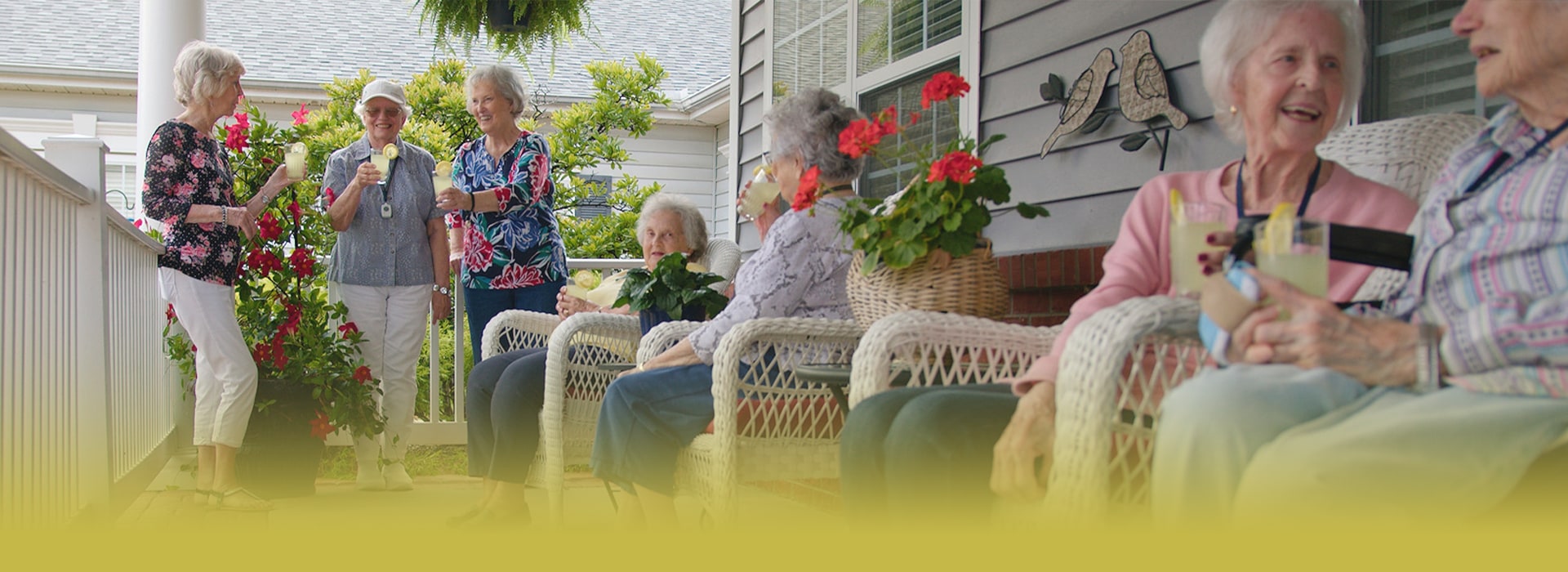
Staying socially connected becomes easier in a community environment built around engagement and interaction. Residents can enjoy shared meals, group activities, wellness programs, and opportunities to build meaningful relationships with others. Even simple daily conversations can help reduce feelings of loneliness and isolation.
Nutritious Meals and Wellness Support
Maintaining healthy routines becomes easier when meals, wellness programs, and daily schedules are built into the community experience. Residents have access to regular, nutritious meals without the stress of grocery shopping or cooking alone. Many communities also offer fitness programs, wellness activities, and supportive services that encourage overall health.
Housekeeping and Everyday Convenience
Household chores can become physically exhausting or difficult to manage over time. Personal care communities help reduce that burden by assisting with housekeeping, laundry, and other daily responsibilities. Instead of focusing energy on cleaning or home maintenance, residents can spend more time relaxing, socializing, or participating in activities they enjoy.
Find Compassionate Support at Hickory Woods Senior Living
Choosing personal care for a loved one is rarely easy, but it often comes from a place of deep care and concern. When daily tasks become harder to manage and safety concerns begin affecting quality of life, additional support can help older adults remain more comfortable, connected, and supported each day. The goal is not to take away independence, but to provide the assistance needed to help your loved one continue living with dignity.
At Hickory Woods Senior Living, we’re here to help families navigate this transition with compassion and understanding. From daily assistance to engaging social opportunities and supportive services, our community is designed to help residents feel safe, respected, and connected every day. Book a tour with us today to learn more about how we can help.