Key Takeaways
- Personal care communities employ registered nurses and licensed practical nurses to provide medical oversight and daily health support
- Nursing care in personal care includes medication management, health monitoring, and assistance with activities of daily living
- Memory care residents receive specialized nursing support with dementia-focused training and behavioral management
- When choosing a community, ask about nursing qualifications, staffing levels, and available medical services
Nursing Care in Personal Care Communities
When you’re considering personal care for yourself or a loved one, you probably wonder about the medical support available. You want to know that healthcare needs can be met with professional, compassionate care. Hickory Woods Senior Living understands these concerns and provides the medical oversight you need.
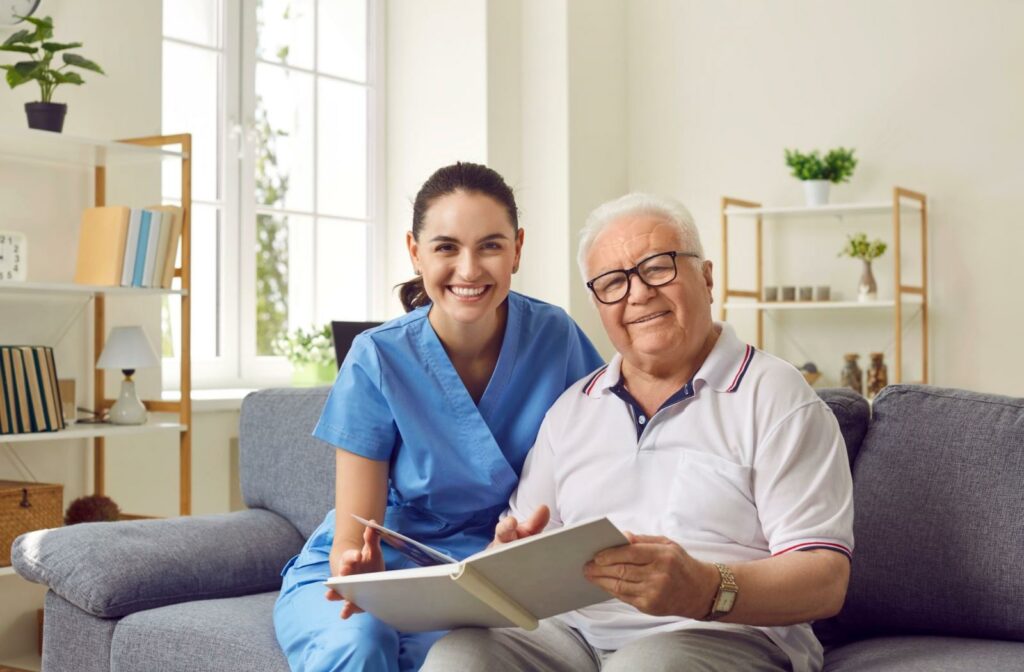
Personal care communities do have nurses on staff to provide medical oversight, health monitoring, and support with daily care needs. These trained professionals work alongside care staff to create a comprehensive support system that helps residents maintain their health and independence. Personal care services include this nursing support as part of their comprehensive approach to resident wellbeing.
What Types of Nurses Work in Personal Care Communities
Personal care communities typically employ different types of nursing professionals, each bringing specific skills to resident care. Registered nurses (RNs) provide medical oversight and coordinate with healthcare providers to manage complex health conditions. They review medication plans, monitor health changes, and communicate with families about care updates.
Licensed practical nurses (LPNs) handle many of the day-to-day care tasks. They help with activities of daily living, wound care, and health assessments. Care coordinators, who often have nursing backgrounds, work with you and your healthcare team to develop personalized care plans that address your specific needs and preferences.
How Nursing Care Differs from Independent Living
Personal Care Services You Can Expect
In personal care, nursing staff provide medication management services that go beyond simple reminders. They help organize medications, coordinate with pharmacies, and monitor for side effects or interactions. This level of support gives you peace of mind knowing your medications are handled safely.
Health monitoring includes regular wellness checks, blood pressure monitoring, and tracking of chronic conditions like diabetes or heart conditions. Nurses also provide assistance with activities of daily living such as bathing, dressing, and mobility support when needed. Safety and security measures work hand-in-hand with nursing oversight to protect residents.
When Additional Medical Support Is Available
Nursing staff coordinate with your outside healthcare providers to maintain continuity of care. They schedule appointments, communicate with doctors about health changes, and help you prepare for medical visits. Emergency response systems connect you directly to nursing staff 24 hours a day.
For residents with chronic conditions, nurses provide specialized monitoring and support. They track symptoms, adjust care plans as needed, and work with healthcare teams to manage conditions effectively while helping you maintain your quality of life. Proper nutrition also plays a role in managing these conditions effectively.
Nursing Support for Memory Care Residents
Memory care residents receive specialized nursing support designed specifically for cognitive conditions. Nurses in memory care receive additional training in dementia care, helping them understand the unique challenges and needs of residents with Alzheimer’s disease or other forms of memory loss.
Behavioral management techniques help nurses support residents through confusion or agitation in gentle, calming ways. They use person-centered approaches that honor each resident’s individual history and preferences. Nurses also maintain regular communication with families about health changes, medication adjustments, and care plan updates. Memory care services include this specialized approach as part of comprehensive support.
This specialized approach helps residents with memory loss feel comfortable and supported while maintaining their dignity and independence wherever possible.
Questions to Ask About Nursing Care
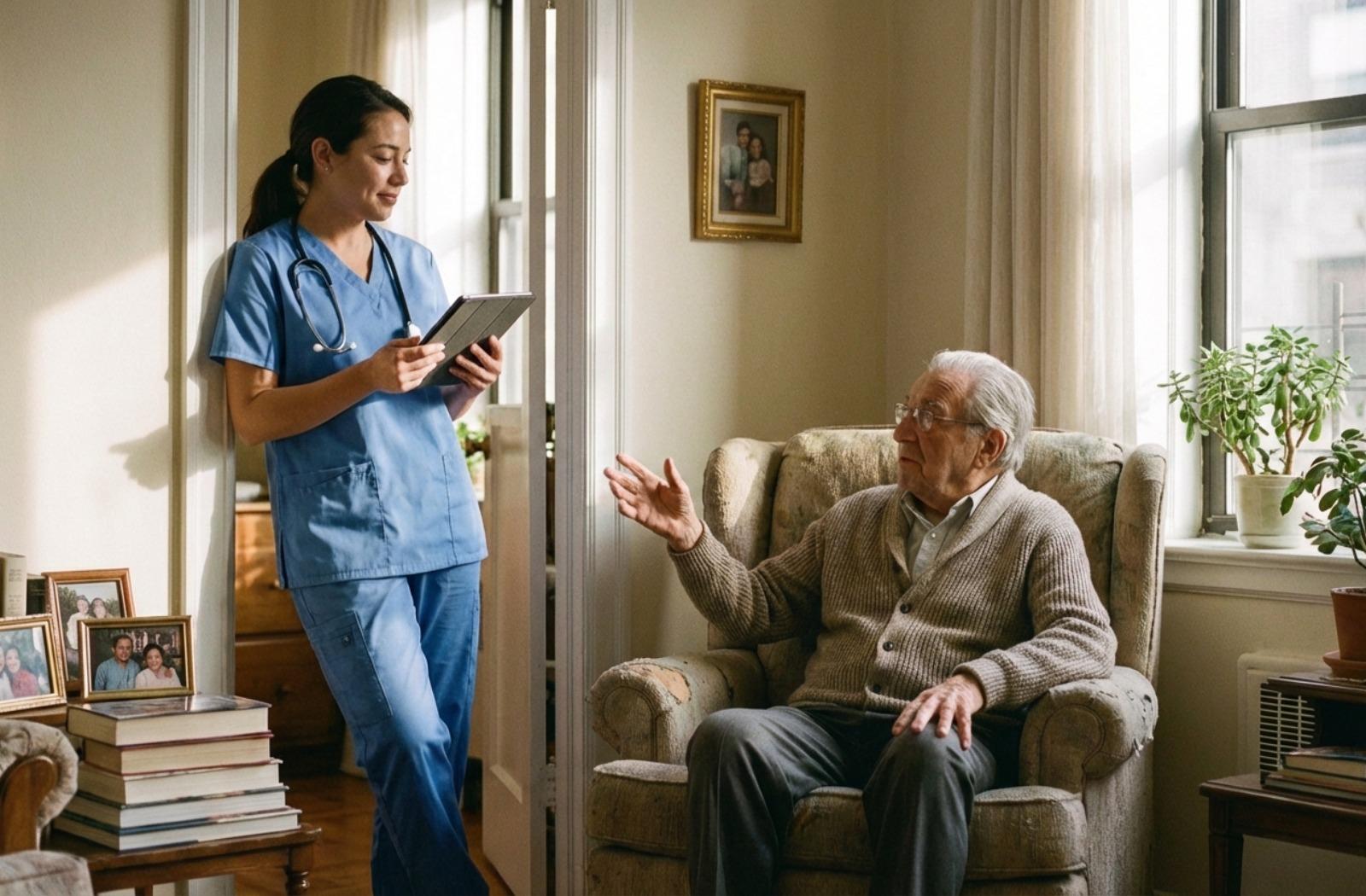
When touring personal care communities, ask about nursing staff qualifications and experience. Find out what certifications they hold, how long they’ve worked in senior care, and what continuing education they receive. You’ll also want to know how many nurses work during each shift and what the staff-to-resident ratio looks like.
Ask specifically about what medical services are included in your monthly fee versus what might require additional costs. Understanding medication management procedures, emergency protocols, and coordination with outside healthcare providers can help you make an informed decision about the level of care available. Medicare coverage options can also factor into your financial planning.
Finding the Right Personal Care Community for Your Needs
Start by assessing your current health requirements and thinking about potential future needs. Consider conditions you’re managing now and how they might change over time. This helps you choose a community that can grow with your needs rather than requiring another move later.
Schedule tours to meet nursing staff in person and observe how they interact with residents. At Hickory Woods Senior Living, the nursing team works alongside residents and families to create personalized care plans that support health, independence, and quality of life. Contact them today to schedule a tour and learn more about how their personal care and memory care services can support you or your loved one.