
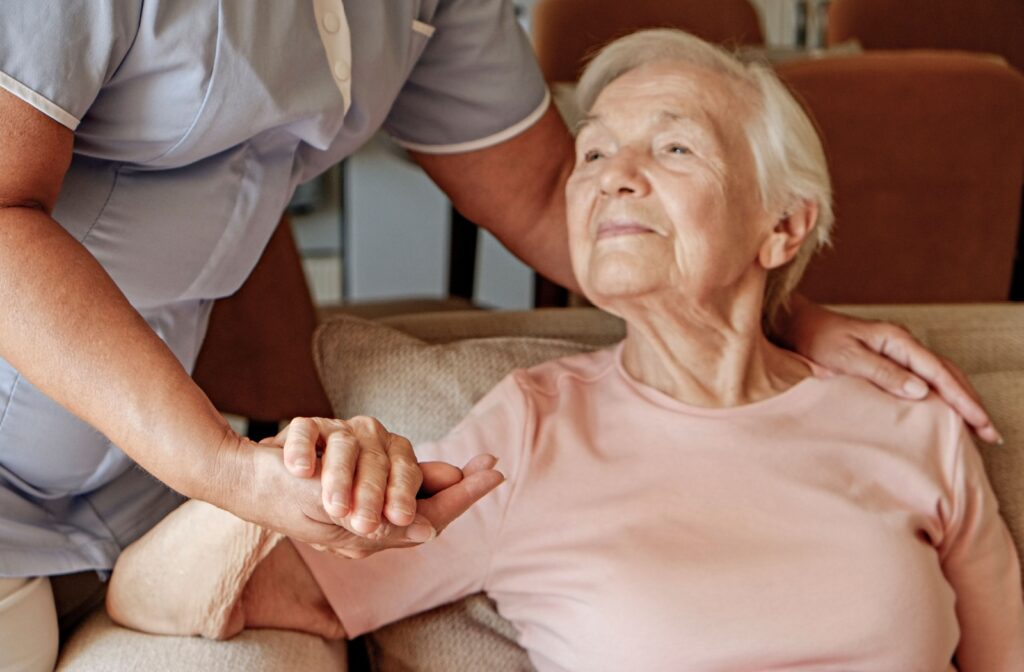
Noticing changes in a parent’s daily routine can be subtle at first. A missed medication, a stack of unopened mail, or a meal skipped without much explanation may not seem urgent. But over time, these small moments can begin to form a pattern. When that happens, many adult children start asking if it’s time for personal care.
Personal care becomes the right choice when daily tasks begin to feel overwhelming for your loved one. This lifestyle is a chance to help them stay independent through targeted, structured support that meets their daily needs. The goal is simple: provide the right level of care while preserving dignity and routine.
Key Takeaways
- Personal care provides personalized support for seniors who need help with daily activities while maintaining independence
- Signs include difficulty with bathing, dressing, meal preparation, medication management, and increased isolation
- Professional care teams can enhance quality of life through specialized services and engaging community activities
- Open conversations and community tours help families make informed decisions together
The Basics of Personal Care
Personal care is a residential lifestyle designed for seniors who need help with daily activities without intensive medical care. It bridges the gap between living completely alone and needing round-the-clock clinical support. Residents receive assistance with everyday routines while maintaining control over their schedules, preferences, and personal choices.
How Does Personal Care Benefit Seniors?
Personal care is designed to make daily life more manageable without limiting independence. It removes the stress of tasks that have become difficult while keeping familiar routines intact.
Personal care offers:
- Assistance with daily routines like bathing, dressing, and grooming
- Medication oversight to reduce missed or incorrect doses
- Nutritious meals served consistently without the burden of cooking
- A safer living environment with built-in support nearby
- Relief from housekeeping and home maintenance responsibilities
- Built-in social opportunities and organized activities
Together, these benefits create an environment where seniors can focus on living their lives rather than managing tasks that have become overwhelming.
Key Signs That Your Loved One May Need Personal Care
Small changes often appear gradually. One missed appointment or skipped chore may not signal a larger issue. However, repeated patterns tend to mean that your loved one needs more support.
Difficulty Managing Daily Hygiene
If your loved one begins neglecting grooming or wearing the same clothes repeatedly, it may signal that daily hygiene feels harder than before. Even small mobility challenges can make simple routines feel unsafe. Personal care provides respectful assistance while protecting privacy and dignity.
Challenges With Meal Preparation
An empty refrigerator, expired food, or noticeable weight changes may point to difficulty preparing meals. Cooking requires energy, planning, and safe movement around appliances, which is why personal care communities offer nutritious dining services. Over time, seniors may simplify their diet or skip meals altogether, which can lead to long-term health problems.
Missed or Confused Medications
Prescription routines can grow complicated, especially when dosages change or multiple medications are involved. You might notice unopened pill bottles, confusion about schedules, or missed refills. With personal care, medication management is overseen to promote safety and consistency.
Increased Risk of Falls or Mobility Concerns
A slower gait, hesitation on stairs, or unexplained bruises may signal mobility challenges. Even if no major fall has occurred, fear of falling can limit daily movement. Seniors sometimes begin avoiding certain rooms or activities because they feel unsafe, but this lack of activity can lead to further weakness and a higher risk of falls.
Household Responsibilities Becoming Overwhelming
A once-tidy home may begin to look cluttered or unkempt. Laundry may sit unfinished, dishes pile up, or basic repairs go unaddressed. Managing a household requires steady physical effort and attention to detail, and fortunately, personal care handles this, too.

How to Talk to a Loved One About Personal Care
Starting this conversation can feel delicate. Your loved one may value their independence deeply, and any change can feel personal. Approaching the topic with empathy and patience makes a meaningful difference.
When beginning the conversation, make sure that you:
- Choose a calm, unrushed time to talk
- Focus on safety and added support, not loss of independence
- Listen carefully to concerns and preferences
- Frame personal care as a way to preserve routine
- Suggest visiting a community together
Approach the discussion as a partnership. Emphasize that this decision is about support, stability, and long-term comfort. When your loved one feels heard, the conversation becomes less about change and more about planning wisely for the future.
Take the Next Step Towards Personal Care Today
When daily routines become harder to manage or safety concerns begin to surface, personal care can provide the right balance of support and independence. Making the decision early allows your loved one to adjust gradually and confidently. With the right environment, daily life becomes more manageable and structured. That’s the real value of personal care.
At Hickory Woods Senior Living, we provide personal care designed around each resident’s needs and preferences. Our team focuses on respectful support, steady routines, and meaningful connections. Independence should be preserved, never replaced, and we’re ready to welcome your loved one home. Book a tour with us today to learn more about how personal care can help.